

Civil Litigation: An Overview
The Last Resort: the Process of Civil Litigation
Civil litigation is what must come to pass when all other methods of avoidance, negotiation, and dispute resolution have failed. It is the area for which lawyers are most know to the general public, though one that most lawyers and parties attempt to avoid, if possible, a true ultima ratio advocatorum. Litigation is the most contentious, and complex part of practicing law, and combines the facets of the underlying area of law, the wrinkles of court procedure and practice, and is capped off with the deadline-abounding in-person arguing of positions. From the initial filing of a complaint to the final resolution of a case, civil litigation requires not only a command of substantive law, but a strategic understanding of procedure, evidence, and advocacy.
Our firm’s civil litigation practice is designed to guide clients through this multifaceted landscape, whether they are pursuing claims as plaintiffs or defending against them. This practice for the Law Office of Joseph P. Evans, PLC encompasses three principal areas: state court litigation, federal litigation and appeals, and defamation law.
State court litigation is the most common type of official resolution for civil disputes. In the trial courts of Virginia—ranging from General District Courts to Circuit Courts, and in the higher and lower courts of first instance of Maryland and North Carolina—cases may involve contract disputes, property matters, business conflicts, and a wide array of other claims grounded in both statute and common law. These courts operate under distinct procedural rules that govern everything from pleadings and discovery to trial presentation and judgment enforcement, and these vary, not just state-by-state and among the different counties and cities, but even between the levels of the same court. Equally important is the role of counterclaims and affirmative defenses, which allow defendants not only to respond to allegations, but to assert their own rights and claims within the same proceeding. Effective advocacy in this forum demands a precise understanding of how local rules and judicial practices influence the course of litigation.
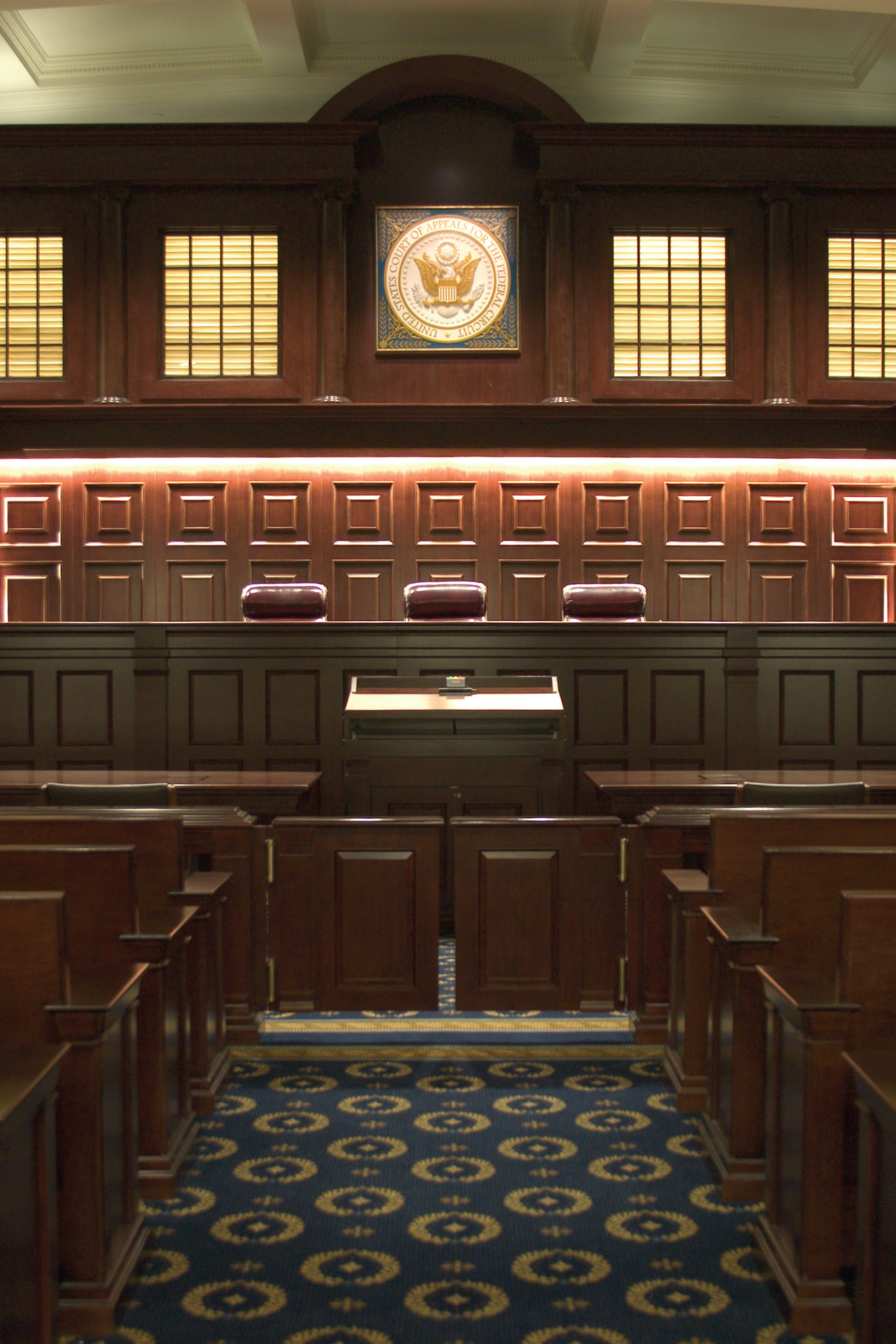
Federal litigation and appeals introduce an additional layer of complexity and opportunity, as federal rules of practice and strict procedural requirements, as well as federal statute and Constitutional jurisprudence are superimposed on top of state statute and common law. Practicing before the United States District Court for the Eastern District of Virginia—often referred to as the “Rocket Docket” for its expedited timelines—requires efficiency, discipline, and a mastery of federal procedural rules. Cases in federal court frequently involve issues of federal law, diversity jurisdiction, or specialized subject matter, and they are governed by the Federal Rules of Civil Procedure and Evidence. When cases proceed to appeal, including before the United States Court of Appeals for the Federal Circuit, the focus shifts from factual development to legal analysis—requiring careful briefing, preservation of issues, and a deep understanding of appellate standards of review.
Defamation litigation, encompassing both libel (written statements) and slander (spoken statements), represents a particularly-nuanced and high-stakes area of civil law. These cases are decided under state tort law but implicate constitutional protections, especially those arising under the First and Fourteenth Amendments. Determining whether a statement is actionable involves careful analysis of elements such as falsity, publication, fault, and damages, as well as the application of evolving case law that balances reputational interests against free speech rights. Both plaintiffs and defendants face unique strategic considerations in these matters, from evidentiary challenges to potential defenses and privileges. Moreover, many jurisdictions, including Virginia, have passed Strategic Lawsuits Against Public Participation (“Anti-SLAPP”) statutes, that constitute another hurdle for the prospective defamation plaintiff.
Across all of these areas, motions practice plays a central, and oft-decisive role. Motions to dismiss, subpoenas of different types, interrogatories, motions to compel discovery, motions for sanctions, motions for summary judgment, and other pretrial applications can define the scope of a case—or end it entirely—before trial ever begins. Mastery of these tools requires not only knowledge of the governing legal standards, but the wherewithal to think on one’s feet, and the experience to know not only how to react to quickly-developing, dynamic legal situations, but to predict likely developments and introduce developments and wrinkles that benefit one’s client.
The firm’s Managing Attorney, Mr. Evans, brings exceptional experience and insight to civil litigation at every level. He has litigated extensively in state courts across Virginia and Maryland, representing clients in both General District and Circuit Courts. He is also admitted to practice before the United States District Court for the Eastern District of Virginia and the United States Court of Appeals for the Federal Circuit. His perspective is further distinguished by his service as a law clerk to a judge on the Federal Circuit, where he gained firsthand insight into not only judicial decision-making, but the techniques and strategies of the most (and less) successful real-world litigants at the appellate level.
This breadth of experience positions Mr. Evans to advocate effectively for clients on both sides of the “v.” Whether prosecuting claims or defending against them, he approaches each case with the open mind and clean slate to digest and subsume the nuances and intricacies of each client’s goals, but adds to that receptivity years of experience and unique insights gained from litigating for numerous clients, and reviewing in detail hundreds of the highest-stakes federal appellate case. All of this comes together to allow Mr. Evans to achieve for clients in litigation the most tailor-made outcome with the highest likelihood of success.